The New Coke
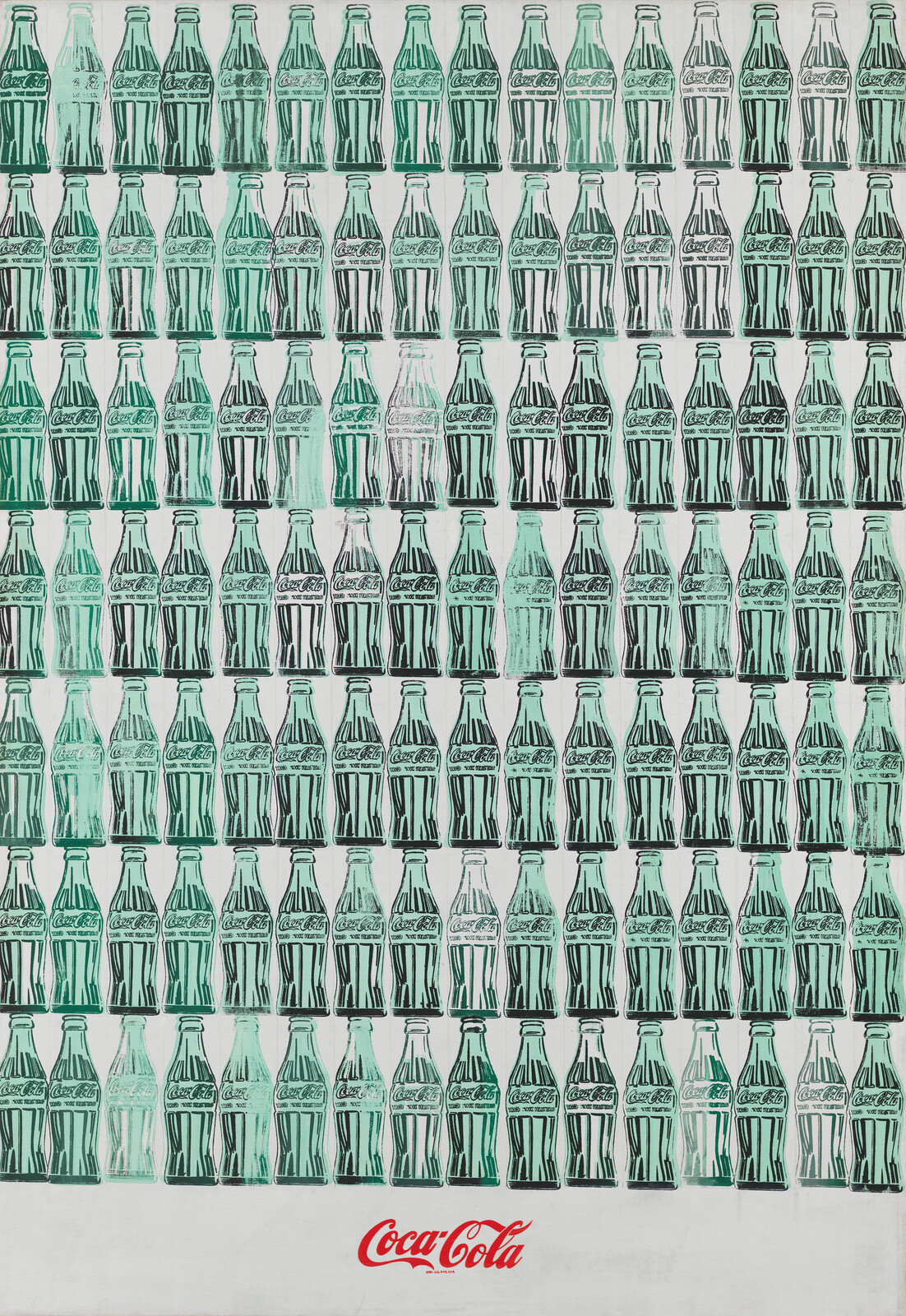
Duchamp had shown the way, but his readymades remained for a long time quarantined within the ambit of Dada. With Warhol, the integration of the artist into the market becomes overt: “Making money is art, and working is art and good business is the best art.” From this point on, the untenable model of the avant-garde artist operating on or outside the margins of society survives only in fantasy. The critics, rightly fearing that in the age of Pop, their hieratic expertise was becoming irrelevant, did their best to ironicize Warhol’s perfectly explicit celebration of crass consumerism. Intuitively grasping the logic of commodity fetishism, Warhol produced work whose allure proceeded directly from its vacuity. Precisely because nothing dumber could be imagined, his deadpan appropriations instantly became a gift to hip snobbery.
Photography had threatened to make even the most uncommon objects common, at least as representations. Warhol turned this photographic devaluation of the uncommon on its head. He was able to turn the most debased photographic representations into objects of uncommon consumption. Cans of soup, bottles of Coke, the over-familiar image of Marilyn, all these and others became superlative luxury items via the magic of Factory recycling as provocative art.
Warhol was famous for saying that he made a painting of Coca-Cola bottles because the popular drink was something that he and the queen could equally enjoy. He left unsaid that after the transformation of Coke into Coke Art, only royalty could afford what he was selling. High and low, art and groceries, remained as far apart as ever but the cultural elite could now enjoy a new commodity called irony.