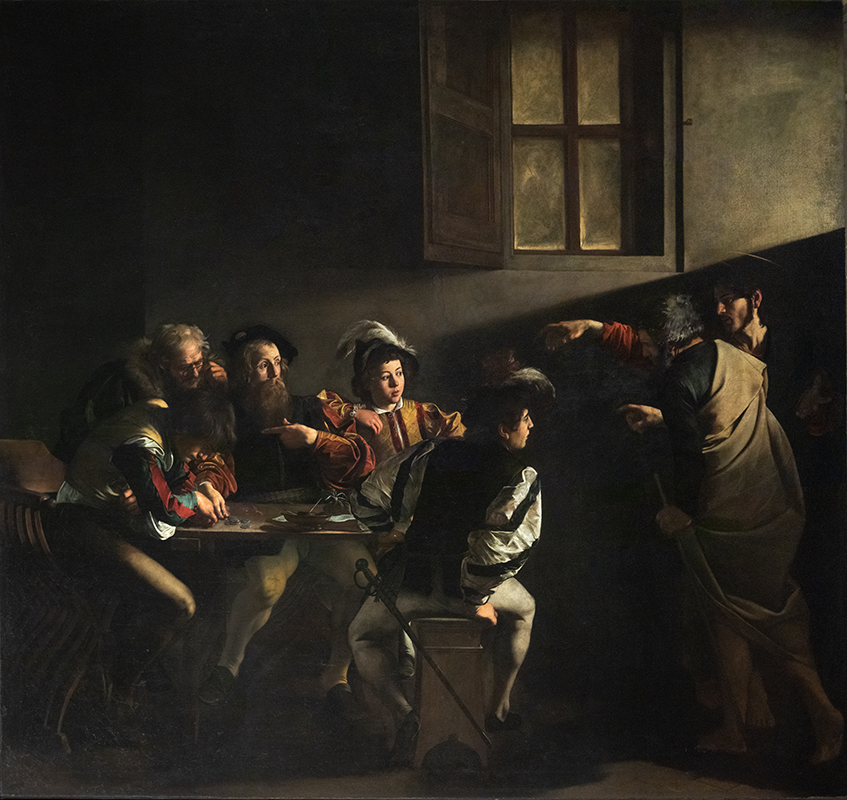
In primitive man as in all human beings the desire to enter into contact wi!h the sacred is counteracted by the fear of being obliged to renounce the simple human condition and become a more or less pliant instrument for some manifestation of the sacred (gods, spirits, ancestors, etc.).
—Mircea Eliade, Shamanism
This is why every authentic prophet is a reluctant one.
Althusser does not know of this type of “interpellation,” because as a materialist he is preoccupied exclusively with material entities and material effects. The beyond of the material, the metaphysical, is to him foreclosed and his world is circumscribed by authority, ideology, and subjugation.
And yet, in so many instances where authority has been challenged, the conviction and strength that sustained the challenge have come from belief in a higher, unworldly authority. Ordinary mortals become superhuman because they are drawn to something that is immaterial, to something that is not of this world and to which they feel a greater loyalty than to the powers that rule this world. So it is that in answering Jesus’ call, St. Matthew begins a journey to martyrdom (depicted by Caravaggio on the wall of the Contarelli Chapel opposite The Calling), which he incurs because he dares to rebuke a king.