Art originated as a means of representing the sacred. It originated to make visible what cannot be seen, to represent what is unrepresentable.
As long as art served the sacred, it had purpose and vitality.
The modern profanation of life and society left art flailing for a purpose. Oscar Wilde went so far as to declare the uselessness of art to be its distinguishing virtue. He was forced to do so to safeguard art from serving an even viler purpose, the worship of money. But art was not content to be useless and has since been driven to stage its own degradation as its purpose, incorporating into itself everything that was once foreign to it: ugliness, banality, artlessness, blasphemy.
In this fallen world, the pull of the sacred lingers as an inclination toward the abyss. The closest to sacred art today is art that expresses a longing for self-extinction. What comes to mind is music that inspires trance and abandon.
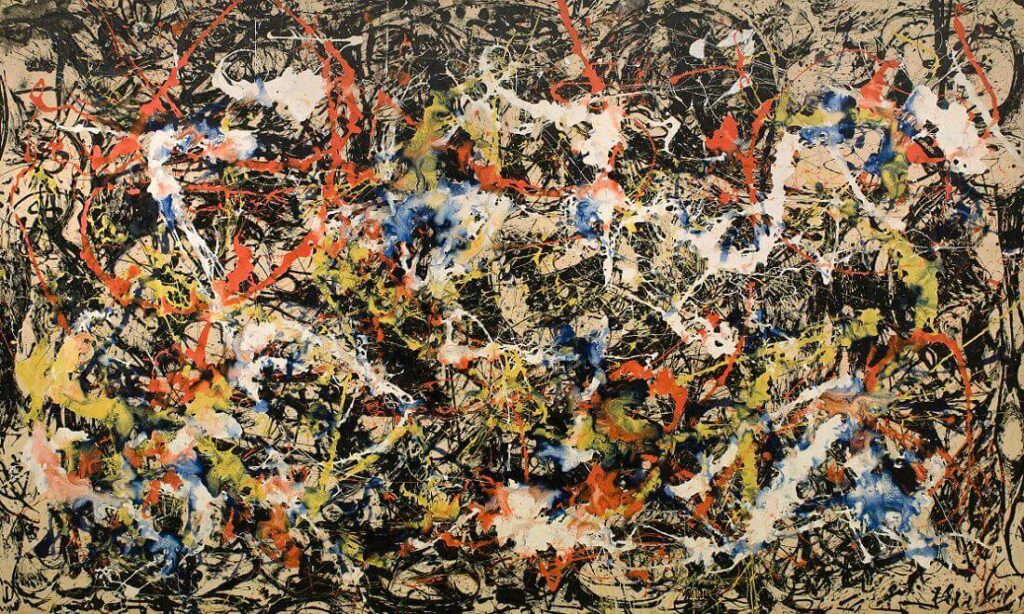
In visual art, the ecstatic is misidentified as “expressionism,” but the truly ecstatic art is always about the obliteration of the self not its expression.