The current fetishization of identity is an attempt to replace by self-nomination what used to be assigned by fate, caste, and tradition. It is a poor replacement, as evidenced by the violence with which self-authored identities need to be relentlessly asserted.
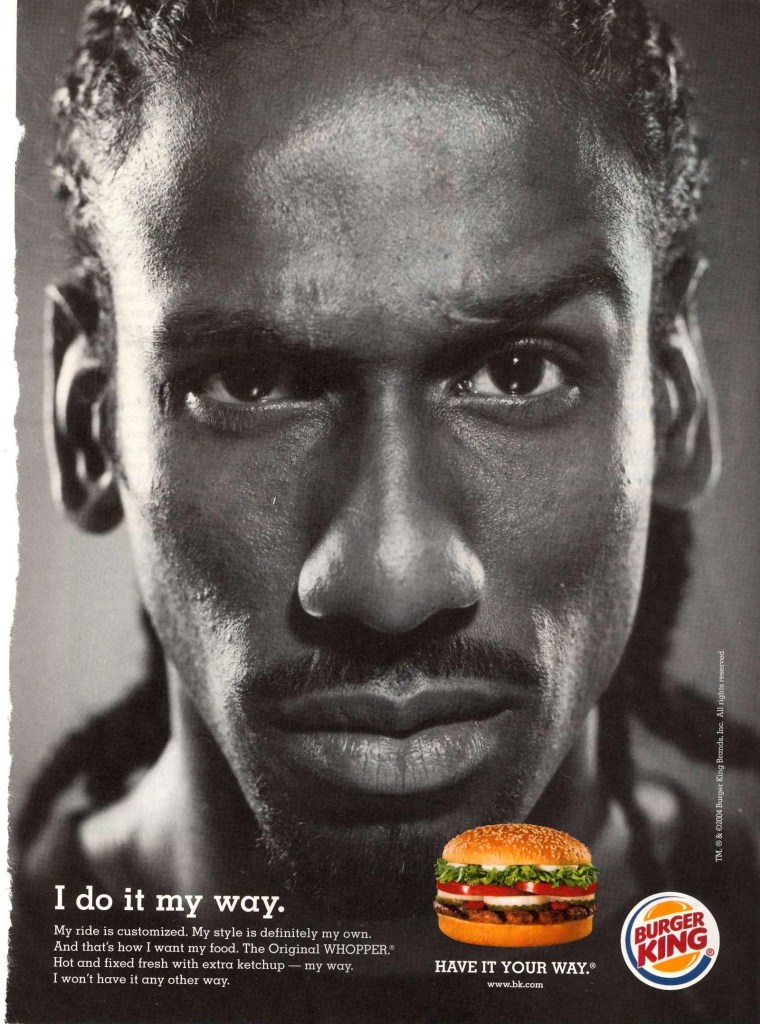
This obsession with identity and identity-based clustering is often interpreted as a new tribalism, but that analogy does not bear examination. In the tribal unit, identity is bestowed by the tribe and requires the subjugation of the individual to whatever shared myth constitutes the group’s symbolic order and rituals that sustain it. In contrast, self-declared, voluntary identities are always staged as resistance to subjugation. Nothing could be more removed from the spirit of tribalism and its reverence for tradition and ancestral authority than this childishness. Tribal societies do not tolerate perpetual adolescence. That’s why they have initiation ordeals. In the premodern tribal context, subjugation is a passage, an opportunity for the unformed subject to gain the form of a worthy member of the tribe. Tribes are not confederations of never-finished, self-assembling subjects all clamoring for recognition. That idea of a made-to-order self only prevails in an environment where consumerism has installed the notion that the self is yet one more customizable consumer good.
The truth is that the contemporary obsession with identity is an indication of its contemporary unachievability. Identity cannot be self-conferred. It has to be imposed by an external agency so as to be experienced as the inescapable contour of one’s being. Identity has to come from the Other. It has to be the consequence of an irrevocable subjugation. But modernity has made subjugation intolerable. It has encouraged and preyed upon the fantasy of heroic self-possession, which consumerism exploits by offering an endless array of purchasable signifiers that promise to give you who you really are, each one of which turns out to be as inadequate as the previous.